Understanding the importance of regular heat exchanger inspections can make a significant difference in the performance and safety of your furnace, especially as Vancouver, WA, heads into cooler months. A healthy heat exchanger is vital not only for efficient heating but also for occupant safety. This guide will clarify inspection warning signs, help you recognize when it’s time to seek professional furnace repair services, and guide you through the process of deciding between repair and replacement.
Why Heat Exchanger Inspections Matter
A heat exchanger is the component in your furnace responsible for transferring heat while ensuring combustion gases stay separated from your indoor air. Over time, repeated heating and cooling cycles can cause even high-quality heat exchangers to develop cracks or corrosion. If left unchecked, a damaged heat exchanger can lead to carbon monoxide leaks, fire hazards, and severely reduced heating efficiency.
In the Pacific Northwest, seasonal temperature swings, coupled with high humidity, can accelerate wear and tear. Vancouver homeowners who rely on their furnaces for warmth during chilly fall and winter nights should pay close attention to annual inspections to catch issues early.
Key Indicators That Your Heat Exchanger Needs Attention
Watch for these warning signs, which often suggest imminent or existing heat exchanger problems:
-
Unusual smells, especially a strong metallic or formaldehyde odor during furnace operation
-
Soot buildup or visible corrosion on or around the furnace
-
Increased condensation on windows, signaling improper venting
-
Frequent cycling on and off, or erratic furnace operation
-
Unexplained carbon monoxide detector alerts
These symptoms may not always point solely to heat exchanger problems, but they are clear signals that a heating system inspection is necessary. Promptly addressing these issues helps ensure your family’s safety and preserves your investment in home comfort.
What Happens During a Professional Heat Exchanger Inspection
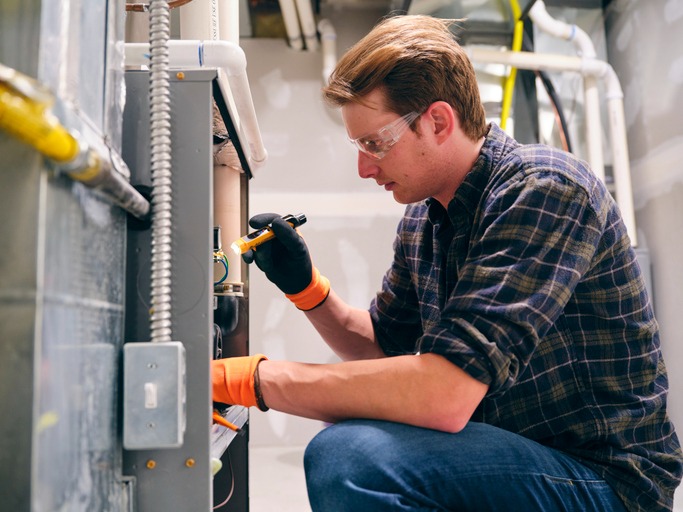
When you schedule a furnace or HVAC maintenance visit, a professional technician will:
-
Shut down your heating system for safety
-
Visually inspect accessible areas for cracks or holes
-
Use cameras or special mirrors to check inside the exchanger
-
Test for carbon monoxide and gas leaks
-
Evaluate for signs of overheating, rust, or soot buildup
Many customers in Vancouver have commented on the peace of mind that comes from a thorough inspection, especially when technicians take the time to explain findings and answer questions. This professional guidance enables homeowners to make informed choices about next steps.
Repairing or Replacing Your Heat Exchanger: Making the Right Choice
Not all heat exchanger damage requires full replacement, but the decision depends on several factors:
-
Age and condition of your furnace: If your system is over 15 years old or has a history of repeated issues, replacement may be more cost-effective.
-
Severity of the damage: Minor cracks might be addressed with repairs, but significant structural damage nearly always means a new exchanger or full furnace replacement.
-
Safety and efficiency: Any risk of carbon monoxide exposure or declining energy efficiency should prompt serious consideration of replacement to protect your household and lower utility bills.
Consulting with a reputable local technician ensures recommendations are based on real-world experience with Vancouver’s climate and typical system lifespans. Always ask for a clear estimate and an explanation of both immediate and long-term costs before proceeding.
Schedule Your Heat Exchanger Inspection or Service in Vancouver, WA
If you suspect an issue with your furnace or want to schedule an annual inspection, Beemans Heating & Air Conditioning is the trusted choice for Vancouver, WA. Call us at (360) 762-2733 or fill out our online form to schedule a professional heat exchanger inspection, get answers to your questions, or learn more about repair and replacement options tailored to our local weather and your home’s needs.